A collision can be stressful, but knowing the right steps to take afterward helps ensure your Toyota returns to factory standards. From documenting the scene to choosing the right repair facility, every decision matters. Using Genuine Toyota parts and authorized technicians protects your New Vehicle Limited Warranty and restores your vehicle's structural integrity, safety systems, and corrosion protection. This guide walks you through the essential steps to get your Toyota back on the road safely.
Oakville Toyota partners exclusively with GSI Auto Centre in Oakville for collision repairs, ensuring your vehicle receives OEM-certified service and factory-standard procedures. Whether you've been in a minor fender bender or a more serious accident, following this checklist helps you navigate the repair process with confidence.
Ensure Safety and Document the Scene
Your first priority after any collision is safety. Check yourself and passengers for injuries, and call emergency services if anyone needs medical attention. If the vehicle is drivable and blocking traffic, move it to a safe location. Turn on hazard lights and set up warning triangles if available.
Once everyone is safe, document the scene thoroughly. Exchange information with other drivers, including names, phone numbers, licence plate numbers, and insurance details. Take photos of all vehicle damage from multiple angles, road conditions, traffic signs, and the overall accident scene. These photos become critical evidence for insurance claims and repair documentation.
Note the time, location, and weather conditions. If there are witnesses, ask for their contact information. This documentation protects you during the claims process and ensures accurate repair estimates. The more detail you capture now, the smoother your repair experience will be later.
Contact Your Insurer and Choose Your Repair Facility
After documenting the collision, contact your insurance provider to report the incident. Provide them with the information you gathered at the scene. During this conversation, clearly state your preference for repairs: you have the right to choose where your Toyota is repaired.
Specify that you want your vehicle repaired at Oakville Toyota's exclusive collision partner, GSI Auto Centre. Request that repairs use Genuine Toyota parts to maintain your warranty coverage. Many insurance companies have preferred repair networks, but you are not obligated to use them. Choosing a Toyota-certified facility ensures your vehicle is restored according to manufacturer specifications.
GSI Auto Centre coordinates directly with insurance providers, handling the paperwork and approval process on your behalf. Their 30+ years of experience with collision repairs means they understand insurance requirements and can advocate for proper repairs. Confirm with your insurer that they will approve repairs at GSI Auto Centre before arranging towing.
Arrange Towing to GSI Auto Centre
If your Toyota is not safe to drive, arrange for towing to GSI Auto Centre at 490 Wyecroft Road in Oakville. Do not let your vehicle be towed to an unknown facility or one chosen by your insurance company without your approval. The destination matters because once your vehicle arrives at a shop, moving it again creates delays.
When calling for a tow truck, provide the exact address of GSI Auto Centre and confirm the driver understands the destination. Bring your vehicle keys, insurance information, and claim number when the vehicle is towed. If you cannot accompany the vehicle, ensure the tow operator has your contact information.
Oakville Toyota and GSI Auto Centre work together to streamline the intake process. Once your vehicle arrives, their technicians perform an initial assessment and begin coordinating with your insurance provider. This partnership eliminates confusion about where your vehicle is and who is handling repairs.
Insist on Toyota-Approved Repair Standards
Not all collision repair facilities meet Toyota's standards. Toyota Certified Collision Centres receive specialized training to repair and refinish vehicles to the same specifications used during manufacturing. This training covers close-tolerance alignment, electronic measuring equipment, and factory-approved attachment methods.
GSI Auto Centre uses OEM-certified technicians who understand Toyota's structural requirements. Every body component contributes to overall vehicle rigidity, and precise alignment is critical for safety. Electronic measuring equipment ensures frame dimensions match factory specifications within millimetres. This precision cannot be achieved with visual inspections or traditional measuring tools.
Verify that your repair facility will:
- Use Genuine Toyota parts for all replacements
- Follow factory repair procedures and specifications
- Employ electronic measuring equipment for structural alignment
- Reapply corrosion protection and sound-damping materials
- Inspect and recalibrate safety systems
Using non-genuine parts or improper repair methods can void your New Vehicle Limited Warranty. The emission control systems of your vehicle were designed, built, and tested using Toyota Genuine Parts, and it is recommended that Toyota Genuine Parts be used as replacement parts. Maintaining warranty coverage protects your investment and ensures long-term reliability.
Review the Repair Plan and Approvals
Once GSI Auto Centre completes their assessment, they provide a written repair estimate. This document outlines which panels will be repaired versus replaced, the paint-matching process, structural repair procedures, and the expected timeline. Review this estimate carefully and ask questions about any items you don't understand.
The estimate should specify that Genuine Toyota parts will be used for all replacements. If your insurer questions the need for OEM parts, GSI Auto Centre can explain why aftermarket parts may not meet Toyota's structural and safety requirements. Genuine parts maintain your vehicle's crash performance, corrosion protection, and fit tolerances.
Confirm that your insurance provider has approved the repair plan before work begins. GSI Auto Centre handles most communication with insurers, but you should receive copies of all approval documents. If the insurer requests additional inspections or supplements during repairs, GSI will coordinate those visits and keep you informed.
Understanding the repair timeline helps you plan for alternative transportation. Complex structural repairs take longer than cosmetic work, but rushing the process compromises quality. Trust GSI Auto Centre to complete repairs correctly rather than quickly.
Perform a Thorough Post-Repair Inspection
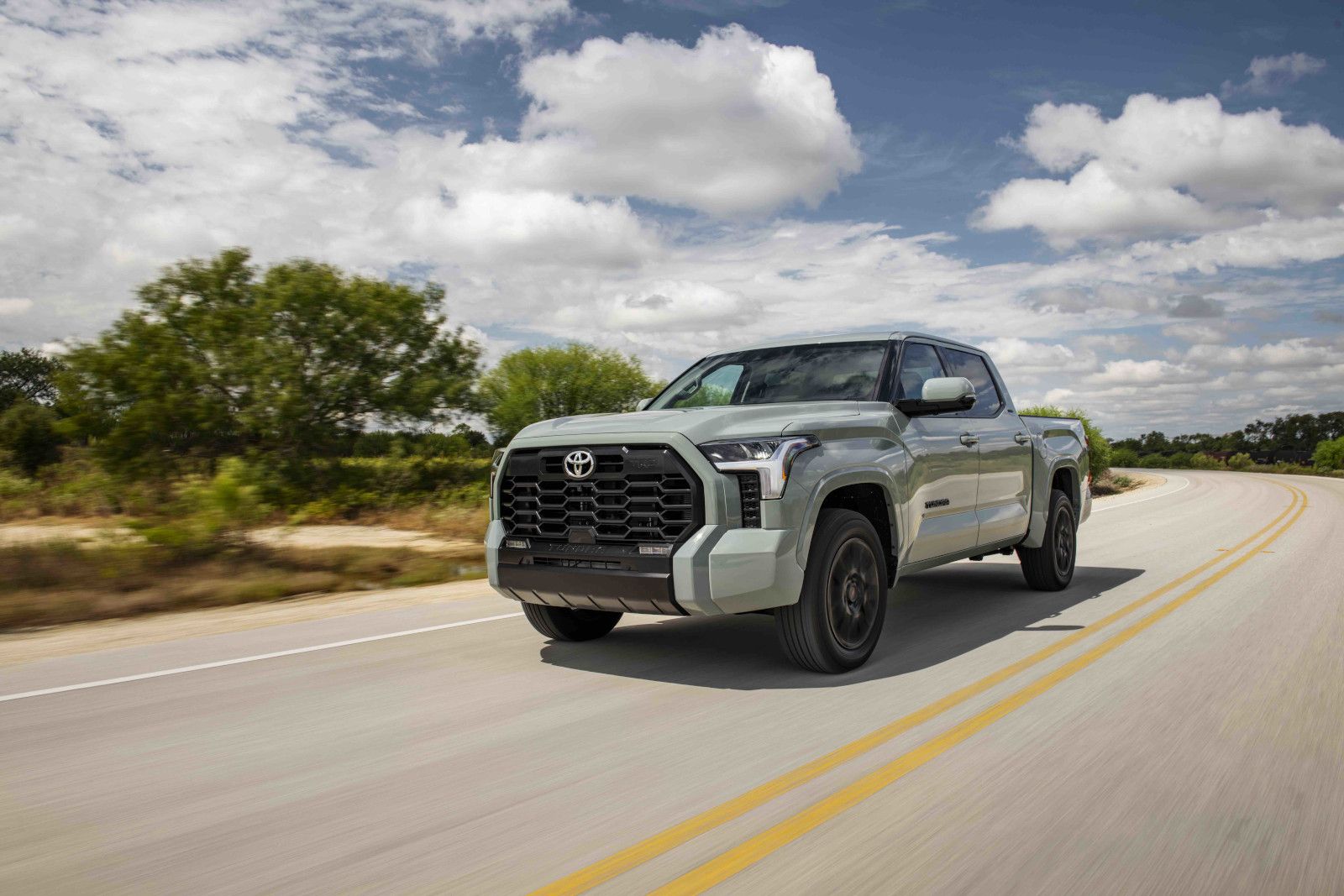
Before accepting your repaired Toyota, conduct a comprehensive inspection. This final check ensures all work meets factory standards and nothing was overlooked. Start with a visual inspection of the repaired areas, checking for smooth panel gaps, consistent paint colour and texture, and proper alignment of body lines.
Open and close all doors, the hood, and the trunk to verify they operate smoothly without binding or unusual sounds. Check that all latches engage properly and weatherstripping seals correctly. Inspect the engine compartment for any loose components or missing fasteners.
Key Post-Repair Inspection Points:
- All warning lights cycle on during startup and then turn off
- Turn signals, headlights, taillights, and brake lights function correctly
- Windshield wipers, horn, and all controls operate normally
- Seat belt assemblies retract and latch properly
- No fluid leaks visible under the vehicle
Test drive your Toyota to assess steering alignment, braking performance, and suspension behaviour. The vehicle should track straight without pulling to either side. Listen for any unusual noises from the repaired areas, especially over bumps or during turns. If your Toyota has advanced driver assistance systems like Pre-Collision System, lane-assist, or radar cruise control, verify these features activate and function correctly.
GSI Auto Centre performs sensor recalibration as part of their repair process, but confirming functionality yourself provides peace of mind. If any warning lights remain illuminated or systems do not operate as expected, address these issues before leaving the facility. Do not sign final acceptance documents until you are satisfied with all repairs.
Learn More at Oakville Toyota
Collision repairs require more than cosmetic fixes. Restoring your Toyota to factory standards protects your safety, maintains your warranty coverage, and preserves your vehicle's value. Using Genuine Toyota parts and authorized technicians ensures every repair meets the specifications that made your Toyota safe and reliable from the start.
If your Toyota has been in a collision, our team at Oakville Toyota can guide you through the repair process.
You might also be interested in these blogs: